Semiconductor Technical Program Leader.
Turning complex cross-functional execution into customer-ready products.
I led programs from architecture through validation, qualification, and production, aligning engineering, operations, and customer to deliver with confidence.
Impact, Quantified.
Fourteen years of programs, measured. Silicon shipped at scale — and the AI systems that now make the shipping faster.
Fourteen years in silicon
INFINEON → CIRRUS LOGIC
Cirrus Logic
Infineon Technologies
Qualcomm
Broadcom Limited
Things I've built
Skills, tools & credentials
What colleagues say
A very sharp engineer with a good analytical mind and attention to detail. The best part of working with Umair is that he's such a genuine person. He'll be an asset to any team he joins.
I was very impressed by Umair's ability to handle multiple projects. He stays analytical and logical no matter how tough the situation. He's such a nice person to work with — I would highly recommend him.
A quick learner with a broad range of industry experience. He helped develop our prototype-characterization processes and readiness metrics, ensuring a smooth transfer of NPI products to production.
Umair drives every topic with method and never gives up. He was the only colleague proactively keeping us updated every week. He wants to understand the root cause of problems and solve them — a rare quality.
I've worked with Syed on high-visibility, fast-paced, complex projects. Strong knowledge in semiconductor engineering and a strong work ethic — he takes initiative and delivers quality results without delay.
A highly driven and motivated individual. His attention to detail is above par and he works very well with others. He could always be counted on to deliver results in a timely fashion.
Very organized and focused — capable of multi-tasking across projects and prioritizing well. Patient, helpful, and with great product-engineering knowledge. A great pleasure to work with.
His technical know-how and ability to juggle multiple projects would be an asset to any team. He made a dramatic difference in the productivity of his business unit — dedicated, responsible and devoted.
Instrumental to the success of our PHY products. Very responsive and a true team player — you can depend on him to start and complete his projects on time. He'll be an asset to any team.
Articles I wrote so far
China Isn't Winning the AI Benchmark Race: It's Winning the Cost & Volume War
Bethlehem Steel didn't lose to a better mill, it lost to cheaper ones. The same pattern is now running in AI: a 17× cost gap sitting behind near-identical benchmarks.
The AI Productivity Tax Your Schedule Isn't Pricing
Sixteen seasoned developers, working in their own repositories. The ones using AI finished 19% slower, after predicting the exact opposite.
Semiconductor Talent Gap: The AI Knowledge Cliff
Three seconds for a senior engineer to call "probe card, not silicon." That instinct is the knowledge cliff no AI dashboard can backfill.
US vs China AI: Who Actually Deploys It
The US put its best models on every federal desk for 42¢. China pays its firms up to 80% to actually use theirs. Same race, two very different bets.
The AI Cost Bet That's Quietly Hiring People Back
Klarna replaced 700 people with AI, then started hiring them back. The reason isn't the one you'd guess, and the math is reversing industry-wide.
The PMO Failure Mode Nobody Talks About
95% of enterprise GenAI pilots delivered zero P&L impact last year. That's MIT's number, not a skeptic's. Here's what nobody says about the 5% that worked.
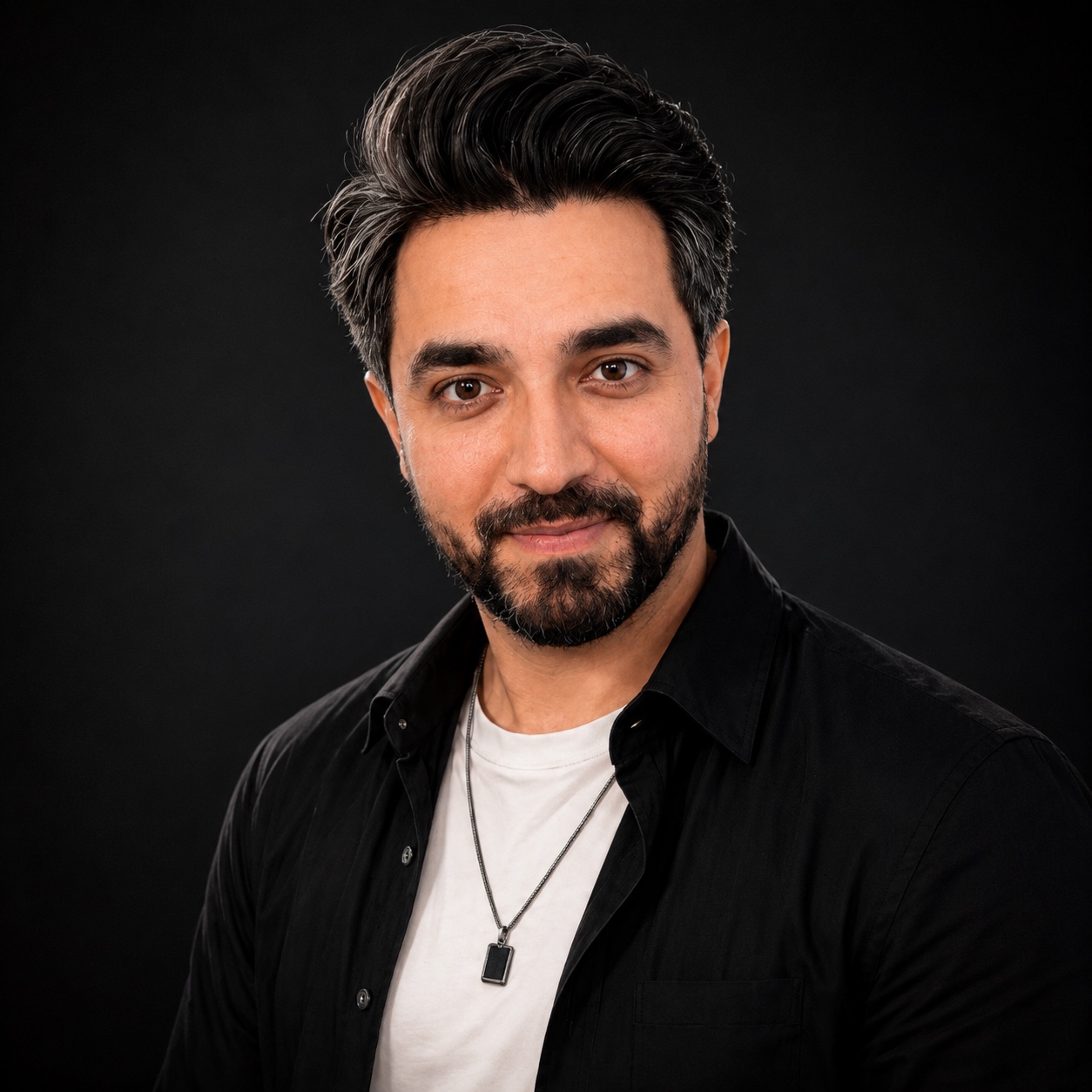
Fourteen years orchestrating semiconductor programs, from 28nm CMOS at Broadcom to multi-chip modules at Cirrus Logic, taught me that great execution is anticipating what breaks before it breaks.
Today I bring that same rigor to AI-native program leadership: deploying intelligent tooling across global engineering organizations and giving program managers superpowers through automated reporting, predictive risk detection, and agentic workflows.